






A damning comparison of Annual Reports between Liverpool City Council and neighbouring Fairfield has revealed Liverpool residents are getting poor value for money, with their council running a massive deficit despite collecting significantly more in rates from ratepayers.
Fairfield City Council achieved a healthy $7.9 million surplus last financial year and delivered some outstanding facilities for residents, while Liverpool City Council in contrast, posted a concerning $10.4 million deficit in the middle of a Public Inquiry – a staggering $18.3 million difference in financial performance.
Despite Liverpool collecting $32.9 million more in rates and charges than Fairfield ($183.7 million versus $150.8 million), Liverpool was still unable to balance the books for the year.
Financial Performance
| Metric | Liverpool | Fairfield | Difference |
|---|---|---|---|
| Operating Result | -$10.4M DEFICIT | +$7.9M SURPLUS | Fairfield outperforms by $18.3M |
| Total Revenue | $380.2M | $252.9M | Liverpool collects $127.3M MORE revenue |
| Rates & Charges Revenue | $183.7M | $150.8M | Liverpool collects $32.9M MORE rates |
| Total Debt | $213.7M | $62.8M | Liverpool has 3.4x Fairfield’s debt |
| Debt per Resident | $831 | $281 | Liverpool has 66% higher debt burden |
Rate Shock: Residents Face Massive Increases
Liverpool ratepayers have endured substantial rate increases totalling over 15% across just the last two years – increases that far exceed cost-of-living pressures.
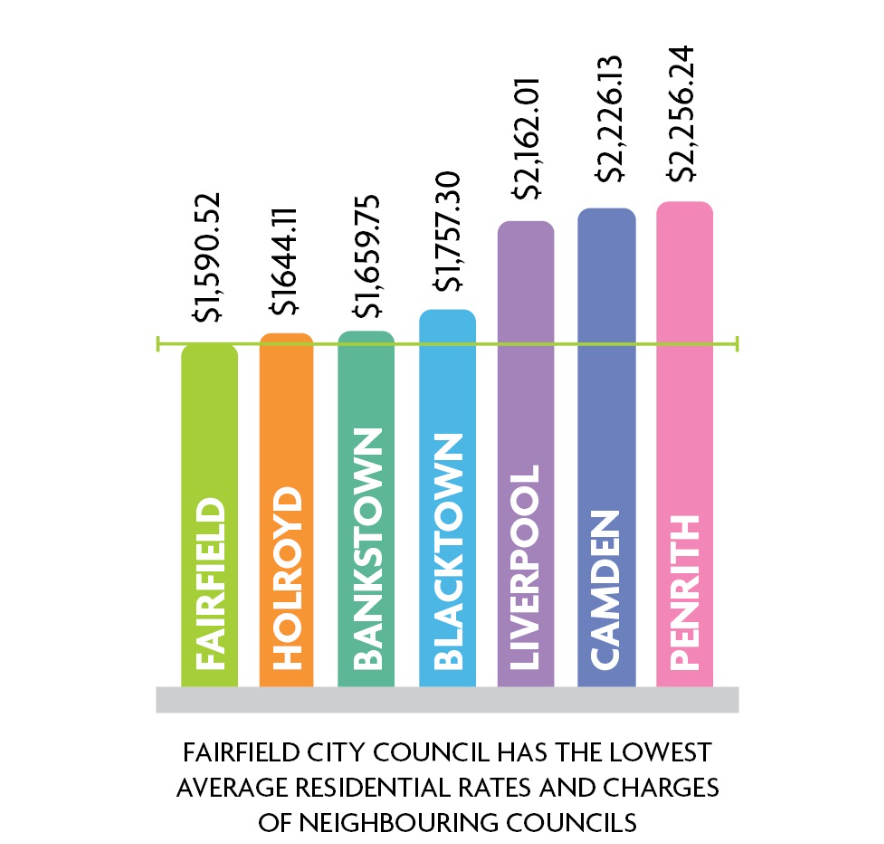
With a significant 9.1% increase in 2024 followed by another 6% rise in 2025, Liverpool residents are paying dramatically more than inflation would justify. While the Reserve Bank has worked to keep inflation around 3-4%, Liverpool Council has imposed rate rises nearly three times higher. To put this in perspective: a household paying $2,000 in rates two years ago now faces a bill exceeding $2,300 – an extra $300 annually despite the council’s financial difficulties.The rate increases become particularly concerning when compared to wage growth. While average wages have increased around 4% annually, Liverpool’s rate increases have been nearly double that figure – meaning rates are consuming an ever-larger slice of household budgets.
These substantial rate increases appear to represent poor value for residents in comparison: paying premium prices while the council reports significant deficits and service delivery challenges.
Debt Burden Raises Concerns
Liverpool’s debt burden should also alarm ratepayers. The council carries $213.7 million in outstanding loans after the completion of Civic Place – more than three times Fairfield’s $62.8 million debt load.This translates to each Liverpool resident effectively owing $831 in council debt, compared to just $281 for Fairfield residents – a 66 per cent higher burden. With annual loan repayments of $24.6 million, Liverpool’s debt servicing costs appear to be constraining its ability to deliver services efficiently.
Staffing Costs Raise Questions
Despite having fewer total staff according to the Annual Reports (972 versus Fairfield’s 1,025), Liverpool spends $16.1 million more on employee costs. The figures show Liverpool pays an average of $110,700 per employee compared to Fairfield’s $89,268 – a 24 per cent premium that raises questions about value for money.Liverpool’s employee costs exceeded budget by $4.2 million, representing a 3.9 per cent overspend on staffing. Some additional resources have been required to deal with the Public Inquiry into Liverpool City Council.
Capital Works Delivery Concerns
Liverpool’s capital works program raises serious questions about delivery capability. Despite budgeting over $180 million for infrastructure projects, the council spent just $78.7 million – a concerning 44 per cent completion rate.
Meanwhile, Fairfield budgeted $78.8 million and delivered exactly that amount – 100 per cent of their commitments to residents.
This delivery shortfall occurs while Liverpool faces a $59.6 million infrastructure backlog, with roads requiring $44.4 million in urgent repairs and drainage systems needing $4.4 million.
Capital Works & Infrastructure
| Metric | Liverpool | Fairfield | Difference |
|---|---|---|---|
| Capital Works Budget | $180M+ | $78.8M | Liverpool budget is 2.3x larger |
| Capital Works Delivered | $78.7M (44%) | $78.8M (100%) | Fairfield delivered full budget |
| Infrastructure Backlog | $59.6M | $41.9M | Liverpool has $17.7M MORE backlog |
| Road Network | 1,008 km | 680 km | Liverpool has 48% larger road network |
| Parks & Reserves | 537 | 102 | Liverpool has 5x more parks |
Legal Costs Mount
Liverpool’s governance challenges are reflected in substantial legal costs. The council faced 328 legal cases during the year – seven times more than Fairfield’s 47 cases.Liverpool paid out $2.43 million in out-of-court settlements, indicating costly disputes that resulted in litigation.
The council’s gross legal expenses totalled over $1.5 million, with net costs of $96,173 after recoveries – still three times higher than Fairfield’s $31,000.
Executive Remuneration Questions
Despite Liverpool’s financial challenges, executive remuneration remains substantial. The CEO received a total package worth $572,540 – nearly $95,000 more than Fairfield’s chief executive.
The top five senior staff at Liverpool collectively earned $3.1 million, compared to Fairfield’s $2.6 million – a $535,000 premium that raises questions given the financial performance disparity.
Senior Management Costs
| Metric | Liverpool | Fairfield | Difference |
|---|---|---|---|
| CEO Package | $572,540 | $478,000 | Liverpool pays $94,540 MORE (+20%) |
| Top 5 Senior Staff Total | $3,114,957 | $2,580,000 | Liverpool pays $534,957 MORE (+21%) |
Maintenance Shortfall
Liverpool’s approach to asset maintenance also raises concerns for residents. The council requires $38.3 million annually to properly maintain its infrastructure but spent only $29.3 million – a $9 million shortfall. This suggests roads, buildings and other assets may be deteriorating faster than they’re being maintained, potentially creating expensive future problems. Council is now considering all options including “Project 2026” a Top Secret Liverpool Council initiative which is reportedly now evaluating over 1400 Council-owned assets for potential disposal. The Council recently voted to dispose of the C.T Lewis Centre and surrounding properties as part of the project.
The Cost to Ratepayers
Liverpool residents face a troubling situation. They’ve endured substantial rate increases that far exceed inflation and wage growth, while their council delivers:
- A $10.4 million deficit while comparable councils achieve surpluses
- Three times more debt per resident than neighbouring areas
- Staff costs 24 per cent higher with concerning financial outcomes
- Less than half of promised infrastructure projects completed
- Seven times more legal cases than similar councils
- $9 million annual shortfall in essential maintenance and ongoing CBD issues.
- Ongoing state government investigation into governance
The rate increases – over 15% in two years while inflation averaged 3-4% – appear excessive given the financial outcomes achieved.
The comparison with Fairfield demonstrates that effective financial stewardship, surplus budgets, and proper project delivery are achievable without imposing such substantial rate increases on residents.
Liverpool ratepayers deserve answers: Where has their money gone? Why are they paying premium prices for such concerning financial outcomes? When will this council demonstrate the financial discipline shown by neighbouring Fairfield?
Until Liverpool can match Fairfield’s financial performance and delivery record, residents should question whether further rate increases are justified.
Residents Express Frustration
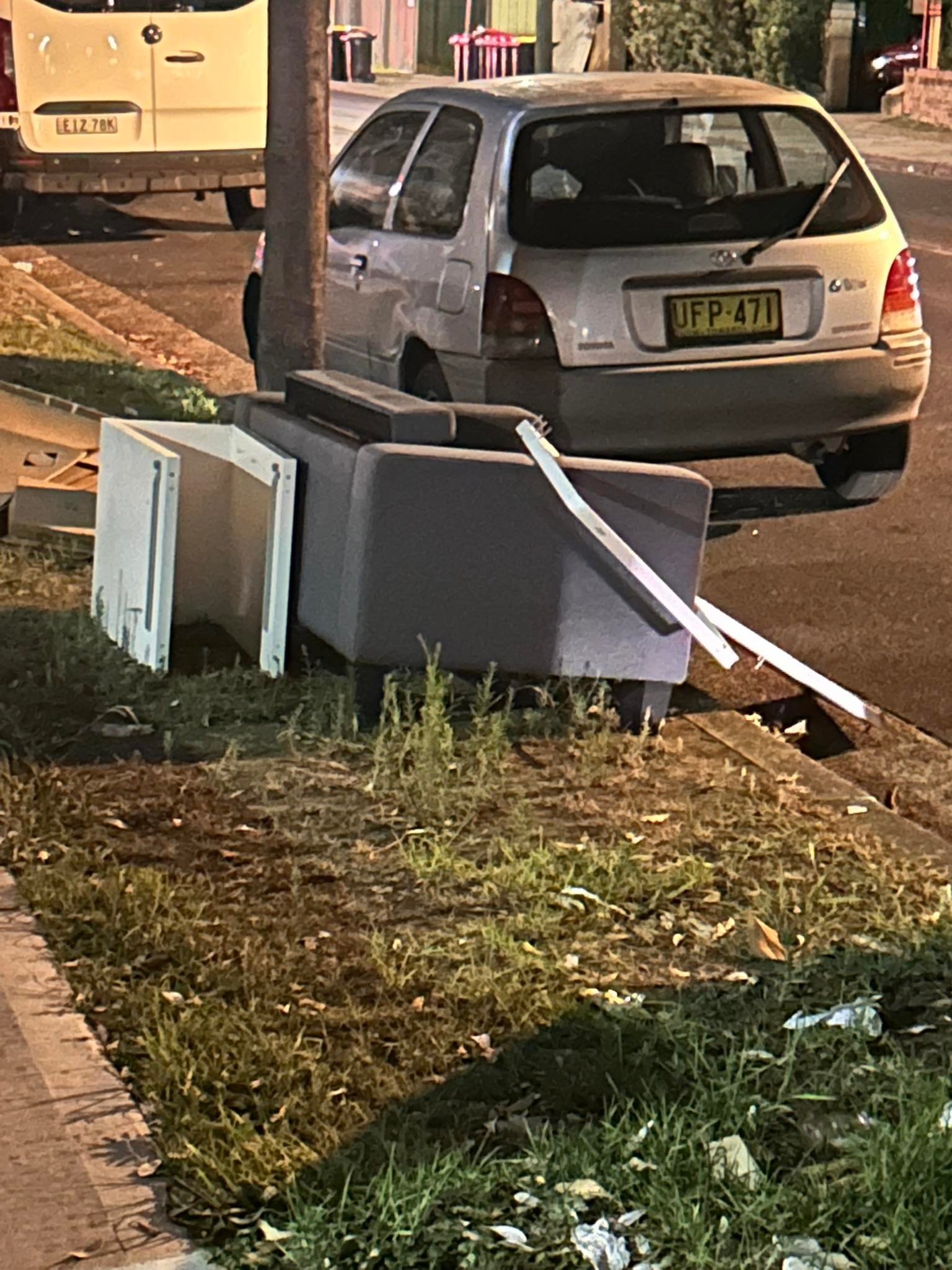
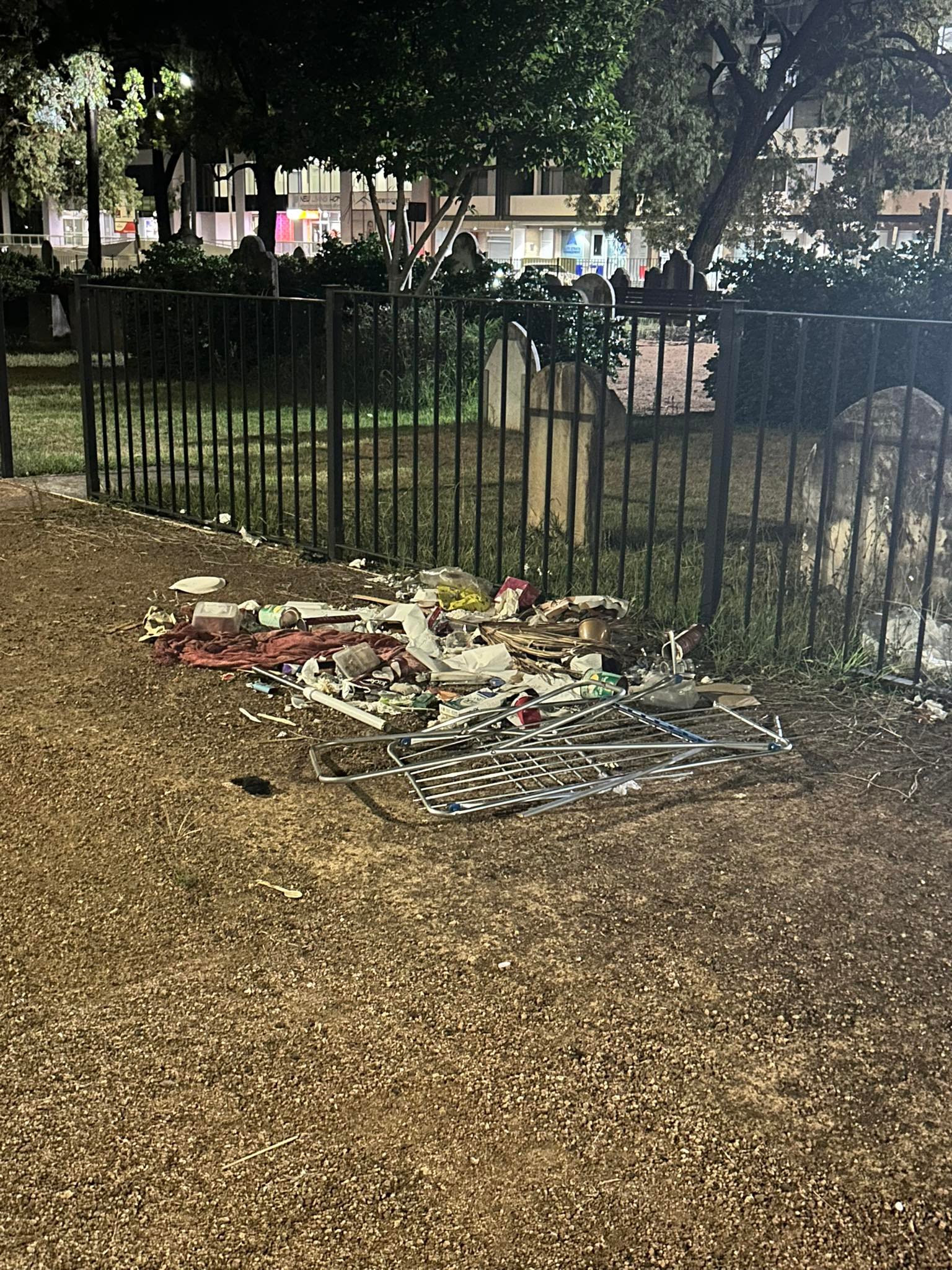
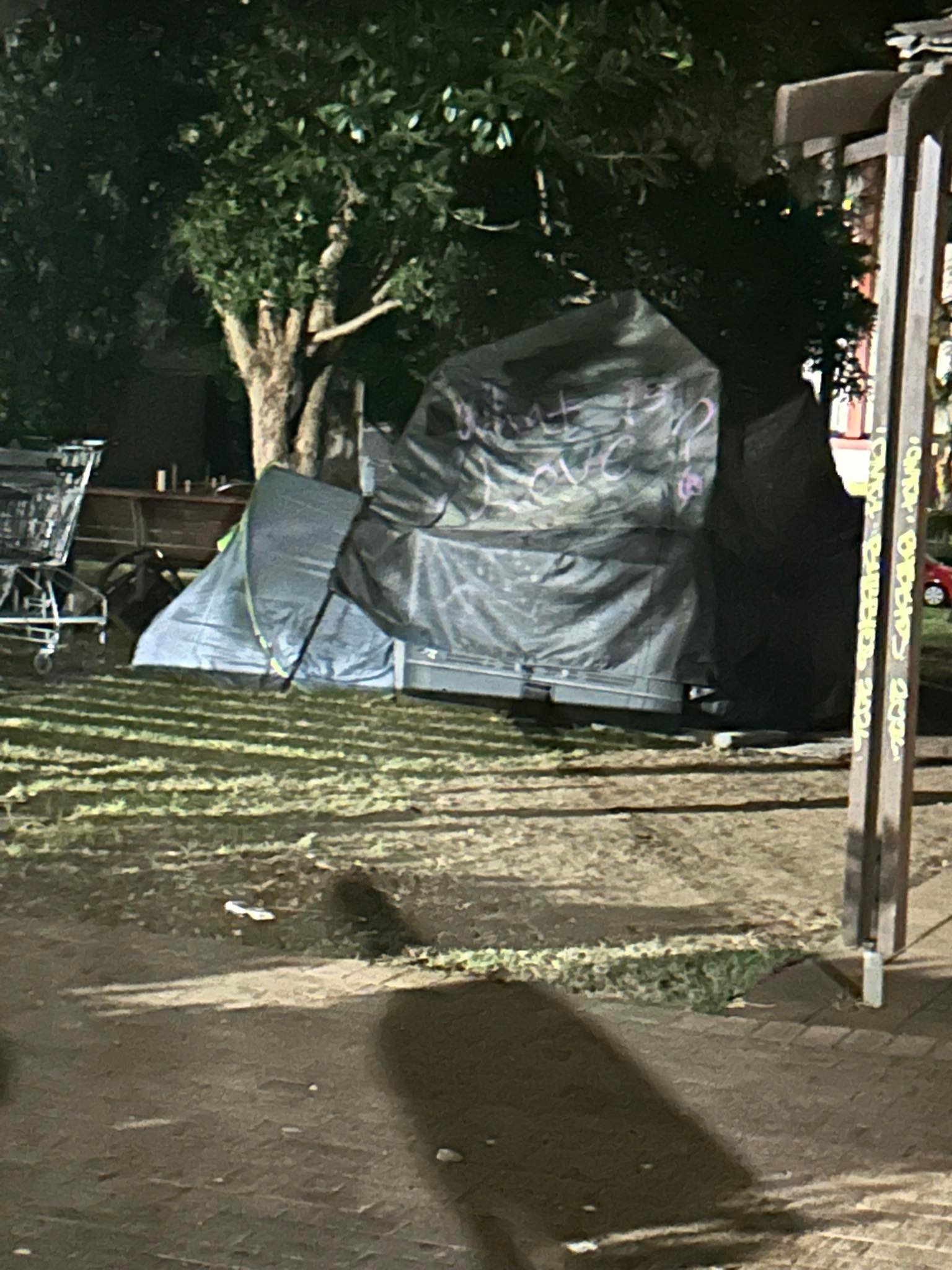
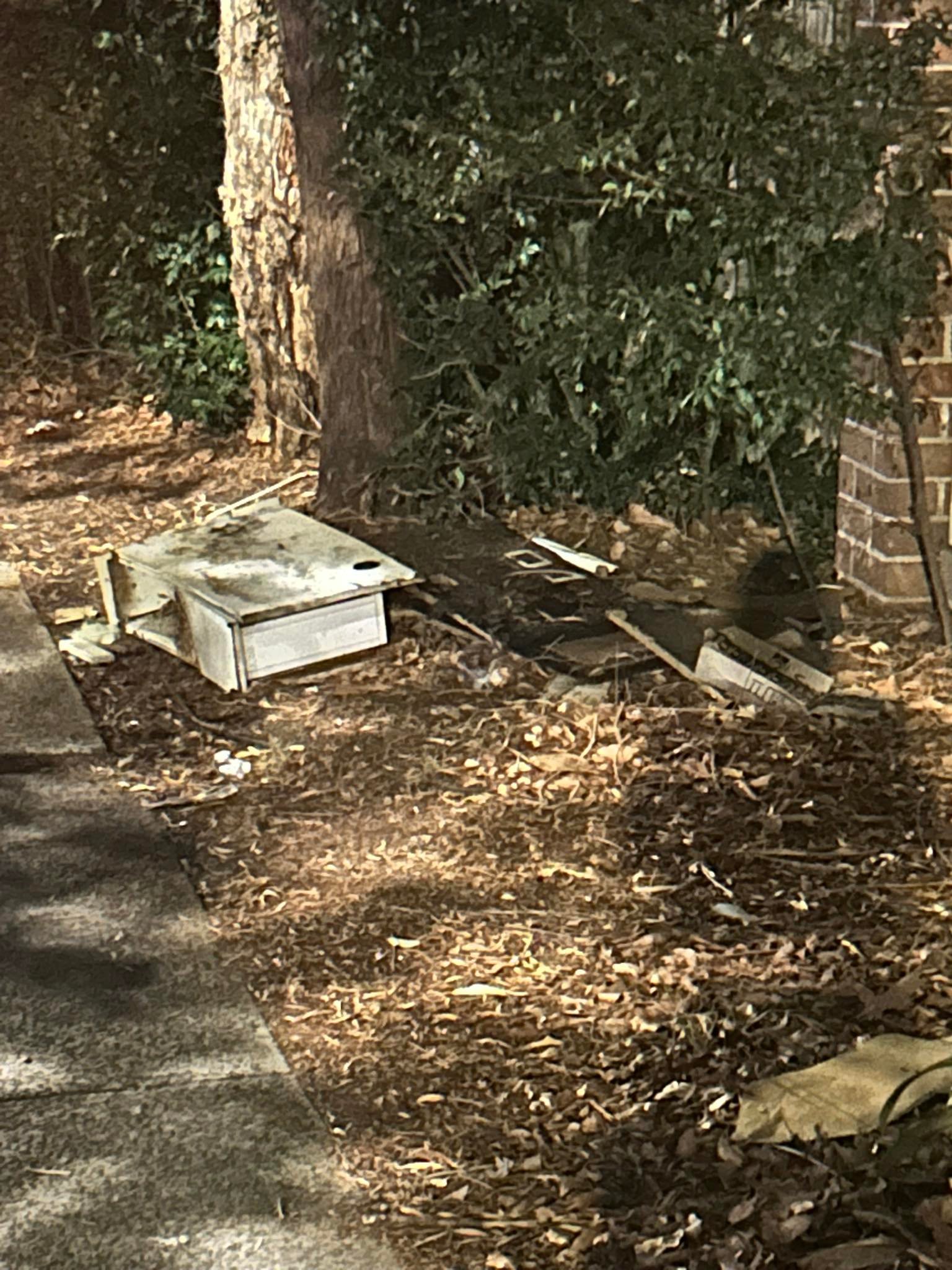
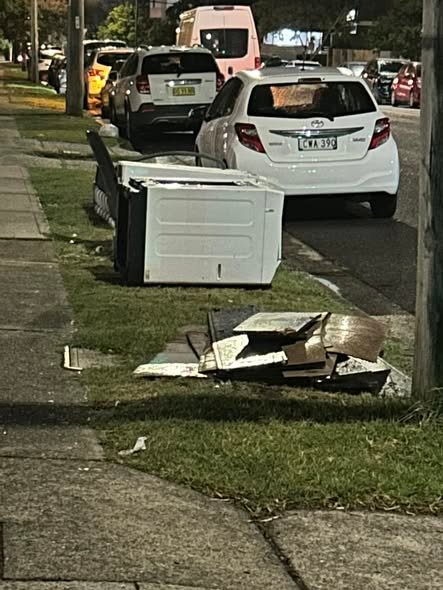
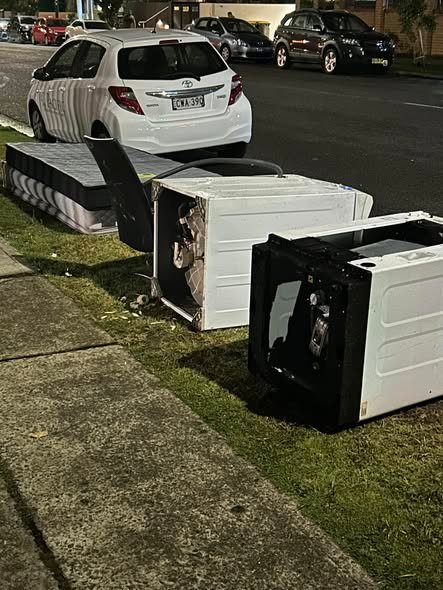
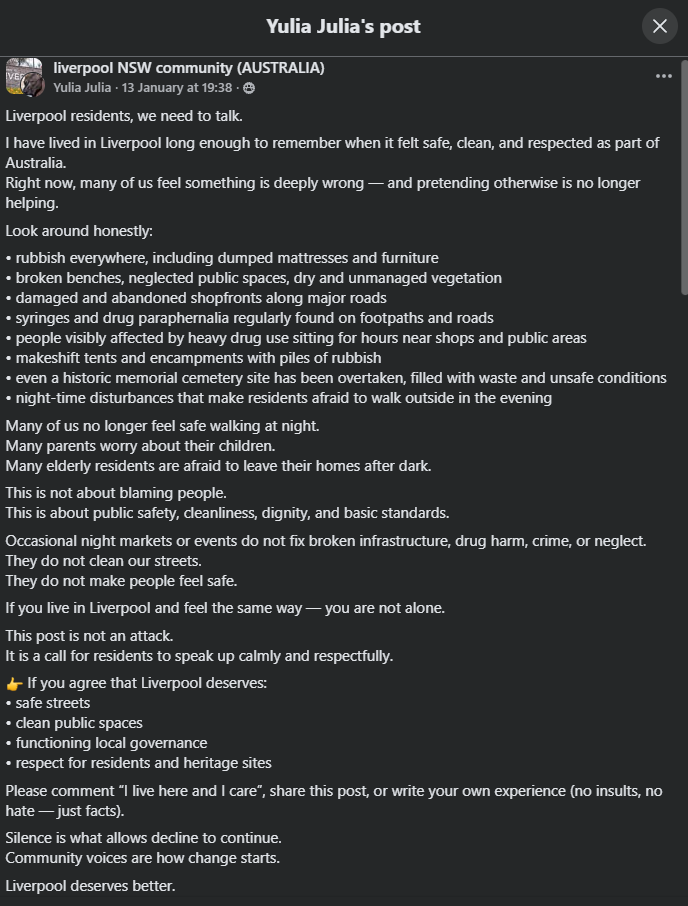
Liverpool Residents have taken to Social Media over the holiday period to express their concerns about the condition of Liverpool CBD, including unkept walkways, broken seats, dumped rubbish, evidence of drug use and homeless encampments.



The 24/25 annual reports for both councils are publicly available on their respective websites.
Below: Listen to this weeks Pulse as Michael Andjelkovic and BJ Gregory talk about the reported $591,533 salary of Liverpool CEO and “Compare the Pair” Fairfield and Liverpool Financial results after council endorsed their audited financial results recently.